



As the top clamps supplier in the UAE, our clamping solutions are developed intricately with a focus on each detail. We provide high-quality equipment for many applications.
Obaid Masood Building Materials Trading L.L.C., the top clamps supplier in Dubai, has been providing engineered clamping solutions for over thirty years for diverse applications in industries such as industrial and plumbing in construction.
Being the best steel clamp suppliers in Dubai, we provide the highest quality clamps, owing to their application-oriented design and adaptability to enhance total product performance. The top clamps supplier in the UAE, Obaid Masood Group, has the appropriate product knowledge, engineering excellence, and technical know-how. We, as the top clamps supplier in the UAE, have a superior skill set to provide great value to a cross-section of dedicated customers and user bases within market segments spanning nationwide Aftermarket distributors/channel partners, actual users, and Original Equipment Manufacturers (OEMs) on a national and international scale.
Obaid Masood Building Materials Trading L.L.C. is one of the top clamp suppliers in Dubai and wholesale distributors of clamps in Dubai, United Arab Emirates. We provide building contractors, and mechanical, electrical, and plumbing industries around the nation with pipe clamps.
We are also importers of CP fittings and accessories; our OMBMT brand of CP extension nipples is rust-proof and provided with a long-term warranty.
The temperature of Pipes: Pipes expand or contract depending on the material’s temperature fluctuation. Consequently, the chosen clamps must be able to endure these temperature changes.
Load bearing capability: Clamps should be chosen depending on the appropriate pipe loads. Therefore, pipe clamps must be chosen after the calculation of pipe support loads. Typically, clamps are avoided for applications involving axial loads, such as line stops. In smaller lines, however, fixed U-clamps are employed as line stop supports. Also, clamped shoes are occasionally utilized as line stops. In such instances, the number of axial loads must be evaluated and, if necessary, adequate supplementary provisions must be made.
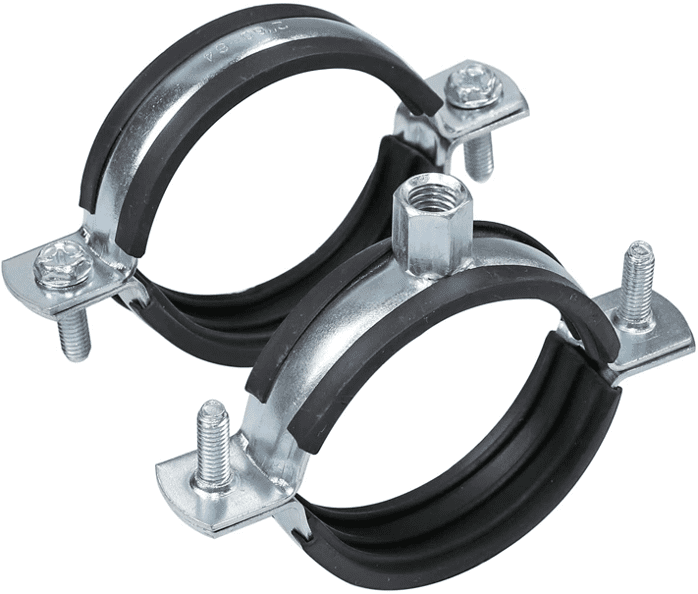
Pipe Clamp Materials
Pipe clamps are made from a variety of materials, including:
- Carbon Steel
- Stainless Steel
- Plastic
- Copper
- Brass
- Aluminum
- Alloy Steel
- Chrome/Chrome-Plated pipe clamps, etc
Most pipe clamps from the top clamps supplier in the UAE have the following characteristics:
- Simple Operation
- Easy installation
- Adjustable within a narrow range
- Stylish appearance
- The temperature range is determined by the utilized clamp liner
- Typically, all pipe clamps feature impact resistance
- Quick and straightforward pipe installation and planning
- Shock-absorbing abilities
- Vibration damping characteristics
- Acoustic reduction attributes
- Heavy torque
- Suitable for pipes of varying diameters, etc.
What Are Pipe Clamps Used For?
The piping and plumbing sectors make extensive use of pipe clamps. Common applications of pipe clamps that the top clamps supplier in the UAE offers include the following:
- To connect and secure pipes to buildings for support
- To offer rapid, secure, and cost-effective installation and servicing for a pipe system
- Pipe clamps may also be used for a variety of fastening purposes
- The pipe clamps may also be used to absorb stress, minimize noise, and dampen vibrations
OMBMT Quality Management:
Our quality management team is committed to delivering excellent service to our valued customers for items that are properly examined upon receipt from suppliers and before shipment to customers.
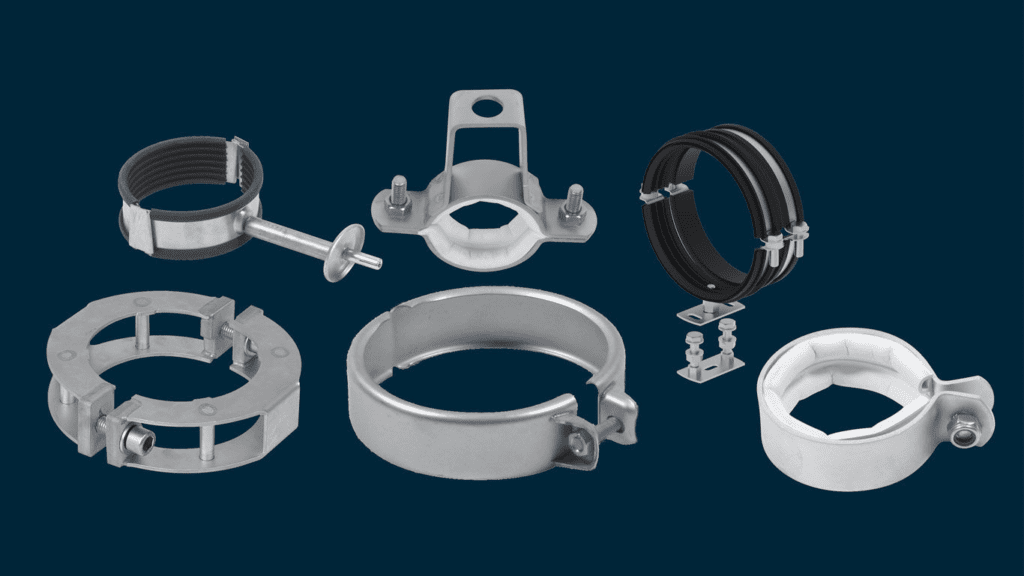
OMBMT Values – Success:
We want to be the clamps supplier in the UAE for both new and current clients. Our thirty-year history of acquiring and retaining satisfied customers is evidence of our dedication to quality, efficiency, and affordable pricing.
Being the best clamps supplier in the UAE and pipe support systems supplier in the UAE, we also offer top-quality PPR pipes and fittings.
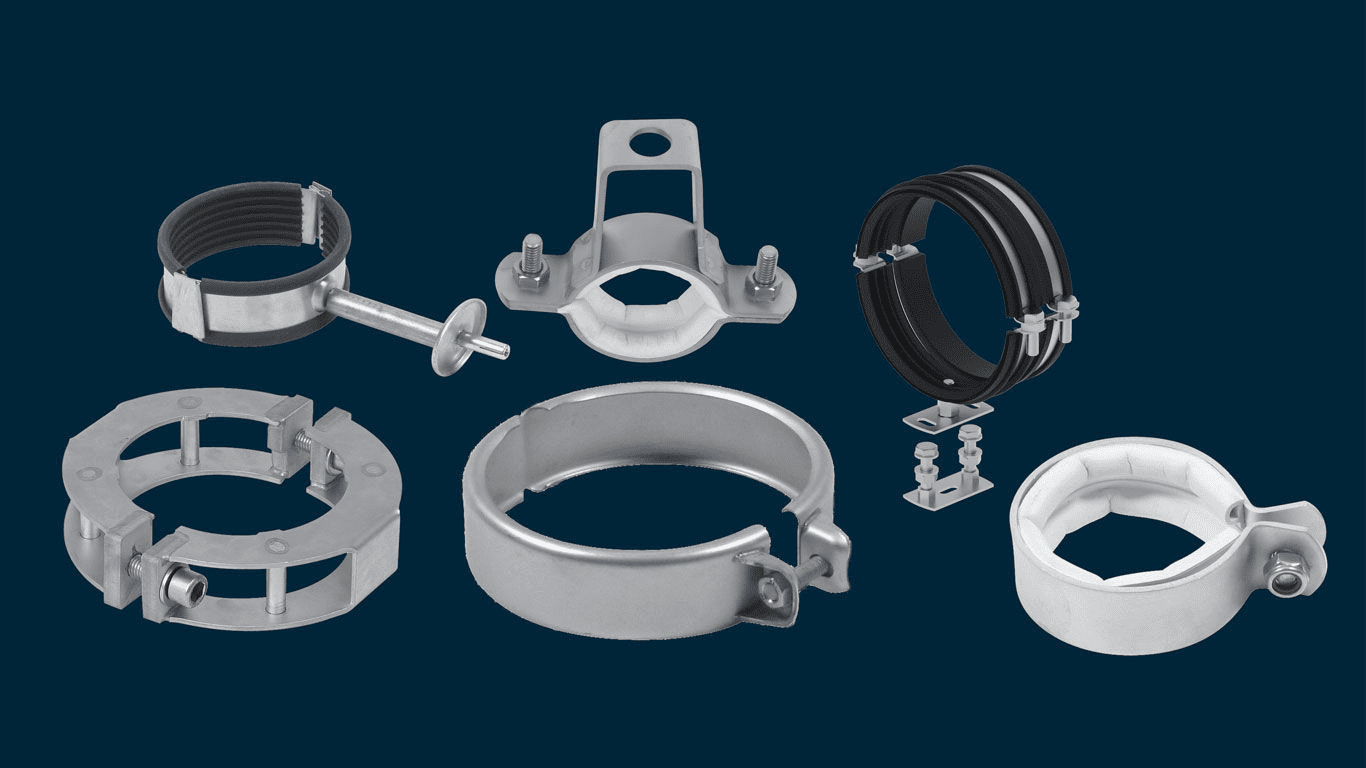
Most people focus on the pipes and fittings, but the system doesn’t stay in place on its own. That’s where pipe clamps in Dubai come in. Without proper support, pipes begin to shift, especially when water starts flowing or temperatures change.
A good set of pipe clamps in Dubai keeps everything aligned. It takes the load off the joints and spreads the weight across the structure. You don’t notice it when it’s done right. You notice it when it isn’t.
At OBAID MASOOD, the demand for pipe clamps in Dubai usually comes from ongoing projects where installation is already in progress and support becomes a priority, not an afterthought.
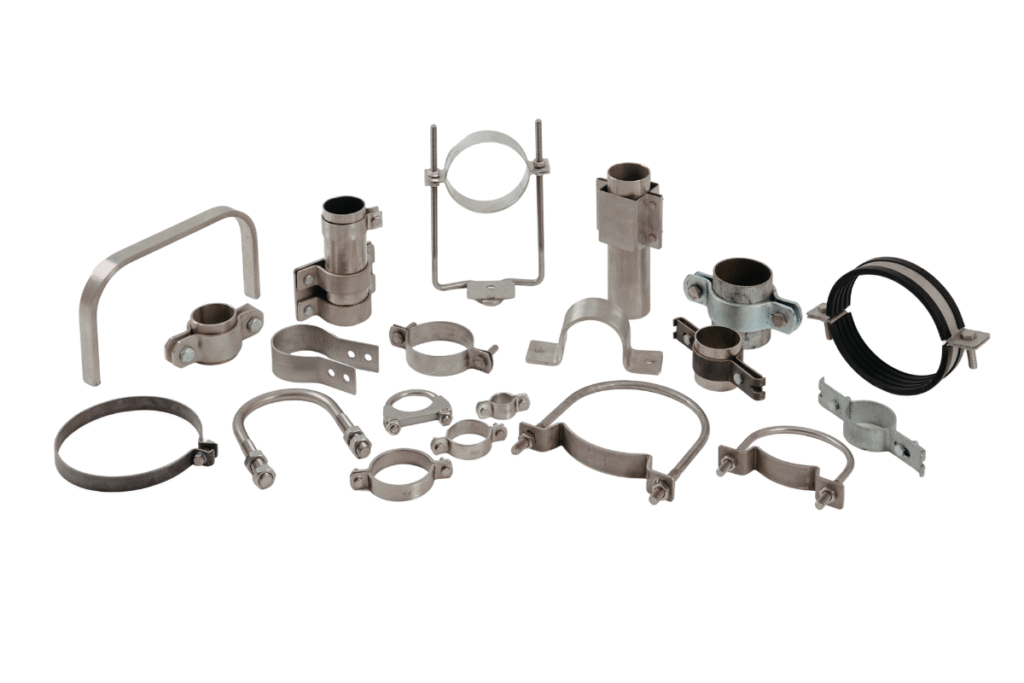
Why Pipe Clamps Are Not Just Accessories
On paper, clamps look like small components. On-site, they end up doing most of the holding work. Pipes expand, contract, and sometimes vibrate depending on usage. If they are left unsupported, they move. That movement slowly affects joints and fittings.
Using the right pipe clamps in Dubai avoids that. It keeps pipes fixed in position and reduces stress at connection points. In long pipe runs, especially in commercial buildings, this makes a noticeable difference over time.
In many cases, issues don’t show up immediately. They show up months later, when alignment starts to go off.
Where Pipe Clamps Are Used
You’ll find pipe clamps in Dubai in almost every type of installation once you start paying attention.
They are commonly used in:
- Plumbing lines inside residential buildings
- Ceiling-mounted pipelines in commercial spaces
- Vertical risers between floors
- Outdoor piping exposed to weather
- Industrial setups where pipes carry load or pressure
They also work alongside systems such as UPVC pipe fittings, where proper alignment is essential to avoid leakage or stress at joints.
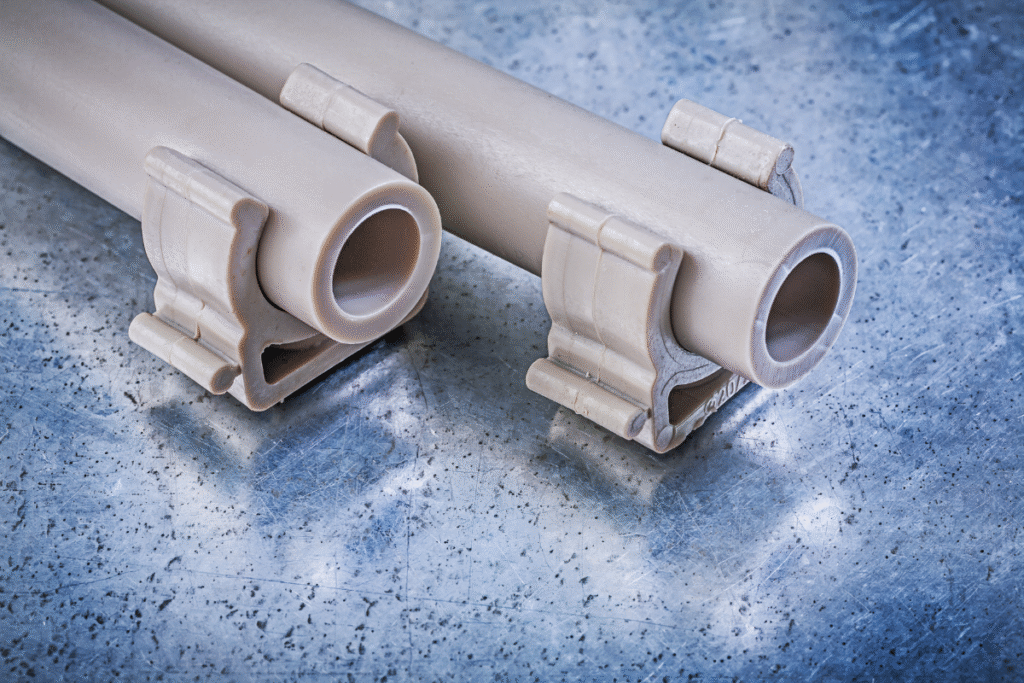
Types You’ll See on Most Sites
There isn’t just one kind of clamp being used everywhere. Different setups need different support.
Some of the common ones include:
- U-bolt clamps for simple and direct support
- Split clamps where access is tight
- Riser clamps for vertical pipe runs
- Rubber-lined clamps where vibration needs to be reduced
Most contractors don’t overthink it. They pick what works for the layout and move on. But choosing the wrong type usually shows up later as noise, movement, or loose fittings.
Material Makes a Difference
Not all clamps behave the same over time. The material decides how long they last.
Most pipe clamps in Dubai are available in:
- Mild steel for standard indoor use
- Galvanised finishes for outdoor exposure
- Stainless steel where corrosion is a concern
If the environment is humid or exposed, lower-grade material doesn’t hold up. It either rusts or weakens. That’s when replacement becomes necessary, which is something most projects try to avoid.
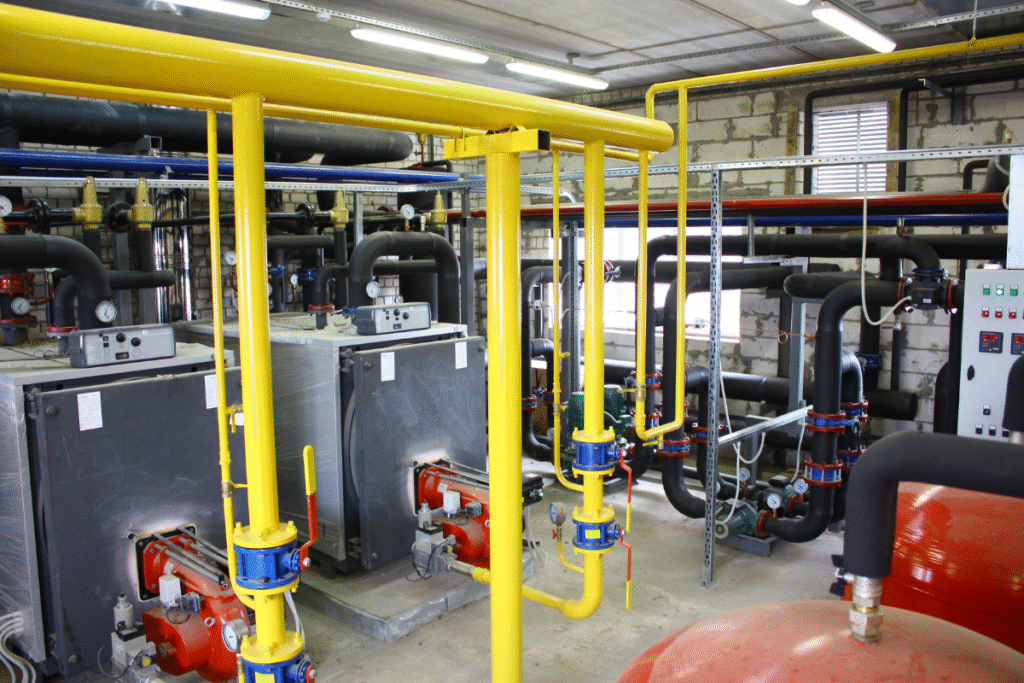
Part of a Larger Support System
A clamp alone doesn’t solve everything. It works as part of a full support setup.
That’s why many contractors prefer to source Pipe clamps & supports in Dubai together rather than mix suppliers. It keeps the system consistent and avoids a mismatch in quality.
When used along with proper Plumbing pipes and fittings, the entire setup becomes more stable and easier to maintain. Everything stays where it should.
What Actually Matters When Choosing Pipe Clamps
Selection is usually based on what’s happening on-site, not just specifications.
Things that affect the choice:
- Pipe size and weight
- Direction of the pipe run
- Exposure to water or heat
- Movement expected during use
Ignoring these points usually leads to clamps loosening or pipes shifting over time.
Pipe Clamps in Dubai for Ongoing Projects
One common issue is supply delay. Even if everything else is ready, missing clamps can stop work completely.
OBAID MASOOD supplies pipe clamps in Dubai for projects requiring steady, reliable material flow. The idea is simple. Provide what’s required without slowing down the job.
If the support system is planned properly from the start, there’s less adjustment later. And in most cases, that comes down to using clamps that can actually handle the conditions in which they are placed.