



No products were found matching your selection.
Proweld for Strong and Consistent Pipe Bonding
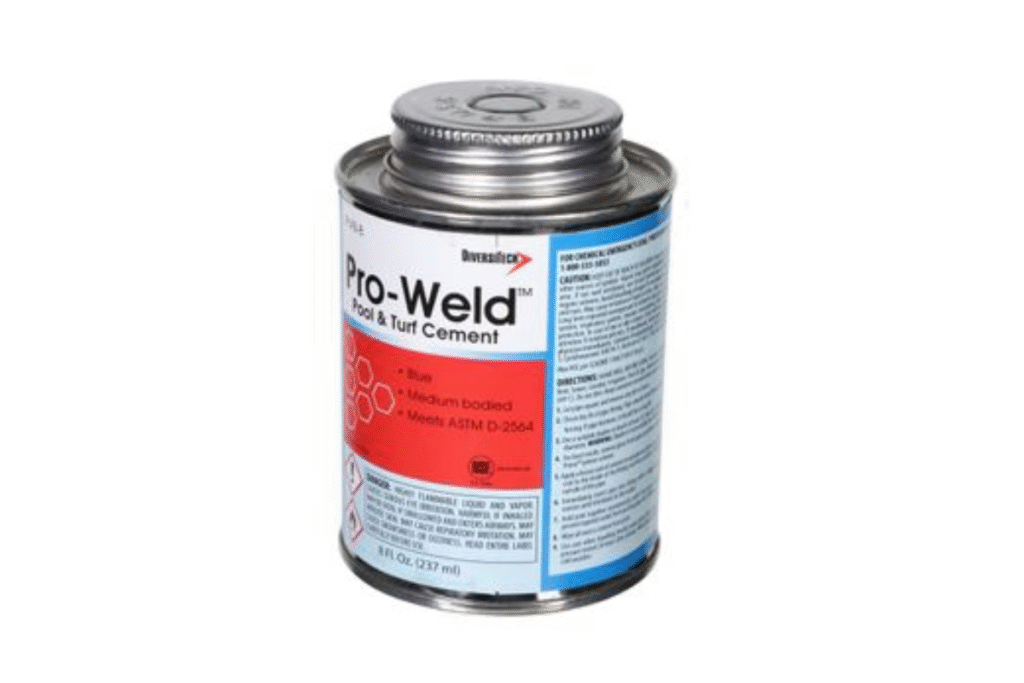
Anyone working with PVC or uPVC pipes knows that the joint is where most failures happen. Not the pipe, not the fitting, but the connection. That’s exactly where Proweld comes into use. It’s not just another adhesive. It’s what holds the system together once everything is aligned.
A good application of Proweld creates a bond that doesn’t loosen over time. Once set, the joint behaves as a single piece rather than two connected parts. That’s the whole point. You don’t want movement at the joint, especially in systems carrying water or pressure.
At OBAID MASOOD, Proweld is usually supplied for projects where consistency matters more than speed. Because once the adhesive is applied and set, there’s no going back to fix the alignment.
Why Proweld Is Used in Plumbing Work
There are plenty of adhesive options available, but not all of them perform the same way. Some dry too fast, some don’t bond properly, and some fail after exposure to water.
Proweld is used because it creates a chemical bond between the pipe and the fitting. It’s not just sticking the surfaces together. It slightly softens them and fuses them, which is why the connection becomes stronger.
This is especially important in systems where leakage is not acceptable. Once installed correctly, the joint stays sealed without requiring additional support or sealing materials.
Where Proweld Is Commonly Applied
You’ll see Proweld being used across different types of installations. It’s not limited to one specific area.
Typical use includes
- Residential plumbing systems
- Drainage and waste pipelines
- Water supply lines
- Irrigation setups
- Light industrial piping
In most of these cases, the requirement is simple. The joint should not fail. That’s where proper use of adhesive becomes critical.
Not the Same as Other Adhesives
People often treat all plumbing adhesives the same, which leads to problems later.
Proweld works differently from general-purpose adhesives. It is designed specifically for pipe systems. That’s why it performs better in situations involving pressure, moisture, or temperature changes.
Other products, such as Strongweld, are also used in similar applications, depending on availability and preference. But the choice usually comes down to what the installer is comfortable working with and what the project demands.
For more specialized sealing or bonding, materials like Tangit glue and Parabond glue are also used alongside pipe adhesives, especially when different materials or conditions are involved.
What Affects the Performance of Proweld
Using Proweld is straightforward, but small mistakes can affect the result.
Things that usually matter
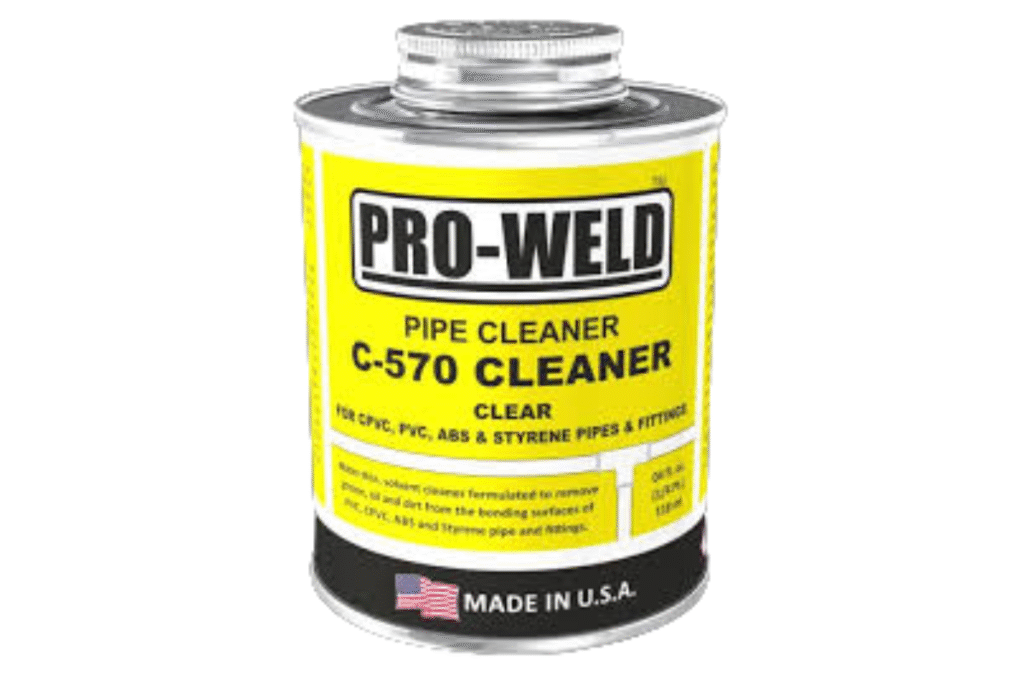
- Clean pipe surfaces before application
- Correct amount of adhesive, not too much or too little
- Proper alignment before setting begins
- Adequate drying time before pressure is applied
Skipping any of these steps can weaken the bond. Most failures are not due to the product but to how it was applied.
Practical Use on Site
On-site conditions are rarely ideal. There’s dust, time pressure, and sometimes limited access. That’s why adhesives like Proweld are preferred when they are easy to apply and predictable in performance.
Installers don’t want surprises. They want something that works the same way every time. Once you get used to a particular product, you stick with it because consistency matters more than anything else.
Supply and Availability in the UAE
One common issue during installation is running out of adhesive midway. It delays the work more than expected because joints cannot be completed without it.
OBAID MASOOD supplies Proweld for projects across the UAE, ensuring availability is not a problem while work is in progress. The idea is not just to supply the product, but to keep the workflow uninterrupted.
Proweld for Long-Term Pipe Reliability
At the end of the day, the goal is simple. Pipes should stay connected without leakage or movement. That’s what Proweld is used for.
When applied correctly, it eliminates the need for repeated repairs or adjustments. And in most plumbing systems, that’s what matters more than anything else.