



A building’s environmental footprint is shaped long before its doors open. Materials used for its structure, insulation, finishes and water systems influence resource use, durability and maintenance over time. Across the Middle East, sustainability is becoming a practical part of construction planning, supported by green building requirements and interest in lifecycle performance.
The challenge is not simply choosing an eco-labelled product, but finding reliable options suited to local conditions and project specifications. Partnering with a leading building materials supplier in the UAE for sustainable construction projects can help teams assess product documentation and availability.
Why Sustainable Building Materials Are Gaining Ground
Construction choices affect costs and waste over a building’s life. Dubai’s Al Sa’fat system sets requirements for new buildings, addresses resource efficiency, water conservation, emissions and recycled construction materials. Sustainability is a project consideration, not merely marketing.
Four forces shape decisions:
- Resource pressure: Efficient use of water, energy and raw materials matters in hot, arid environments.
- Whole-life value: Buyers consider durability, maintenance and replacement frequency alongside initial price.
- Waste reduction: Suitable reuse and verified recycled content can reduce demand for virgin resources.
- Project requirements: Consultants may request product certificates, environmental data or compliance evidence.
A 2024 UAE-focused study also identifies recycled content, local sourcing, resource efficiency and quality controls as important considerations. Contractors must verify technical performance and approvals. Working with a leading building materials supplier in the UAE for eco-friendly building solutions should support selection with clear specifications and realistic guidance on suitability.
Sustainable Building Materials Reshaping Construction Projects
Sustainable materials are influencing decisions at several stages of a construction project, from the structural framework to the building envelope and internal water systems. The aim is to meet technical requirements while making more considered choices about resource use, service life and waste.
- Structural planning:
Concrete mixes incorporating approved supplementary cementitious materials can reduce cement demand, while recycled-content steel offers another route to material recovery. Both require compliance with the project’s engineering specifications. - Building envelopes:
Insulation systems and reflective roof finishes can help manage heat gain in the Middle East’s hot climate. Their effectiveness depends on the building design, product performance and correct installation. - Interior applications:
Responsibly sourced timber and products containing recycled inputs can suit selected finishes and fittings. Procurement teams should check durability, maintenance needs and relevant certifications. - Water infrastructure:
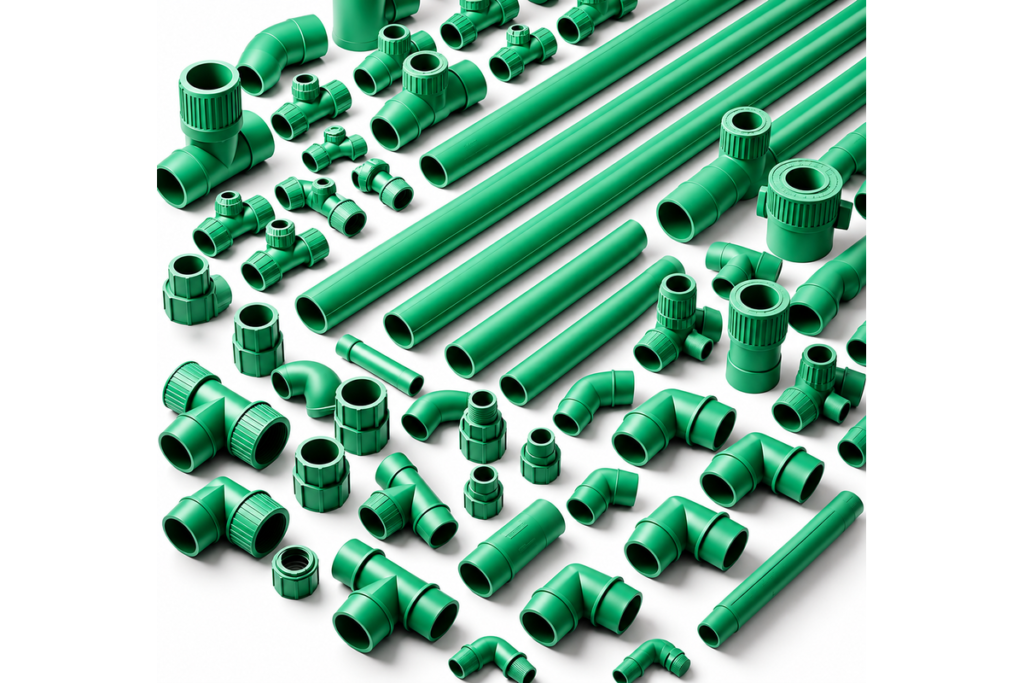
Water-efficient taps, showers and flushing systems can reduce consumption when correctly specified. Reliable piping and fittings also support leak prevention and long-term system performance.
These choices need coordination between architects, consultants, contractors and procurement teams. Engaging a leading building materials supplier in the UAE for green procurement and compliance can assist with product specifications, availability and supporting documentation, helping project teams assess whether a proposed material meets their actual requirements.
The key is to consider each product within the wider building system rather than treating sustainability as a standalone feature.
Comparing Sustainable Materials: Benefits, Applications and Trade-Offs
Selecting a material requires more than identifying its environmental advantages. Project teams must establish where it is suitable, what evidence supports its performance and whether it meets the applicable technical requirements.
| Material category | Potential application | What to verify before selection |
| Lower-carbon concrete | Structural elements where the mix is approved | Strength, curing requirements and mix specifications |
| Recycled aggregates | Approved non-structural works and selected sub-bases | Grading, contamination and permitted use |
| Recycled-content steel | Structural and fabrication applications | Product certification, mechanical performance and recycled-content evidence |
| Certified timber | Approved structural or interior applications | Responsible sourcing, moisture resistance and fire compliance |
| Insulation and reflective coatings | External walls, roofs and building envelopes | Thermal performance, weather resistance and installation requirements |
| Water-efficient fittings | Bathrooms and water distribution systems | Flow rates, pressure compatibility and durability |
A material suitable for one project may be inappropriate for another because of structural loads, exposure conditions, maintenance access or local approval requirements.
Before finalising procurement, compare the relevant technical data sheets, environmental declarations where available, applicable certifications and expected service life. A leading building materials supplier in the UAE specialising in commercial infrastructure can help identify suitable options with the consultant’s specifications and the project’s regulatory requirements.
The Challenges of Using Sustainable Materials in Middle Eastern Conditions
Adopting sustainable materials involves more than finding an environmentally preferable product. Construction teams must establish whether it can withstand the project’s exposure conditions, meet technical requirements and arrive when needed.
Several practical obstacles deserve attention:
- Climate compatibility: Intense heat, ultraviolet exposure, humidity and coastal salinity can affect products differently. Suitability should be established through relevant testing rather than assumptions based on a sustainability label.
- Supply constraints: Certain specialist products may have limited local availability, making delivery schedules and replacement options important procurement considerations.
- Documentation gaps: Environmental claims can be difficult to compare when manufacturers provide inconsistent information about recycled content, emissions or expected service life.
- Budget pressures: Higher purchase prices may discourage adoption, particularly when project budgets prioritise immediate expenditure over long-term performance.
Regional regulations and project specifications also differ, so a product accepted for one development may require additional assessment elsewhere. Consultation with a leading building materials supplier available in the UAE can help procurement teams obtain technical documents and confirm availability, but engineers and consultants must determine whether the proposed product satisfies the project’s requirements.
How to Choose Sustainable Building Materials
A procurement decision begins with project requirements, not a product label. Follow these steps before approving a material for purchase.
1 .Define the specification: Establish the required strength, dimensions, intended use, applicable standards and approval conditions with the project consultant.
2 .Request supporting evidence: Obtain technical data sheets, test reports, relevant certifications and environmental product declarations where available. Dubai Municipality publishes guidance on green building products and stresses the importance of checking certification and accredited testing facilities.
3 .Assess local suitability: Confirm that the product is appropriate for the building’s exposure conditions, installation method and expected maintenance requirements.
4. Calculate the full cost: Compare purchase price, transport, installation, maintenance and likely replacement expenses. Consider whether the expected service life justifies any initial premium.
5. Confirm supply arrangements: Check stock, lead times, minimum order quantities and replacement availability before committing to a schedule.
6. Obtain final approval: Have the responsible consultant verify compliance before procurement. A leading building materials supplier across the UAE can help source documentation and identify suitable options, but approval must follow project specifications and applicable regulations.
Build Smarter. Choose Better, With Obaid Masood
Sustainable construction starts with choosing materials that meet project requirements without compromising quality, reliability or long-term performance. If your next development calls for dependable building materials, Obaid Masood can help you explore suitable options for your procurement needs. Contact Us to discuss product specifications, availability and project requirements before making your selection.